


Recently on the blog

Self-care, for the people I work with, isn’t about stepping out of your life.
It’s about changing how your life feels while you’re inside it. About building a life that supports everything that matters – including you.
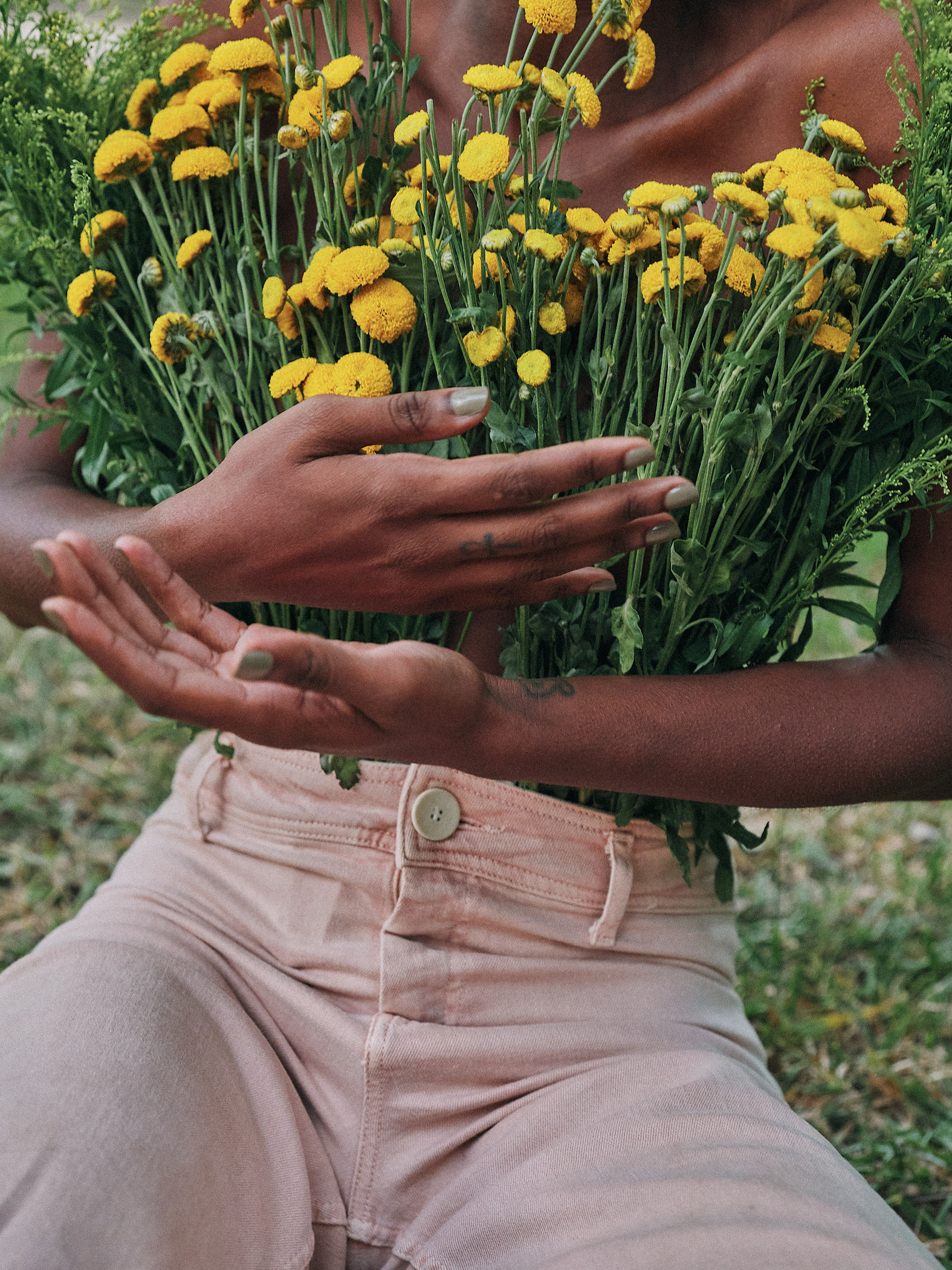
You have already done one of the hardest things a person can do.
You noticed what was broken in your family, your relationships, your workplace, maybe even your own body, and you decided not to keep calling it normal.
You broke patterns that may have been in motion for generations.
And now, you’re asking a question you’ve never considered before.
What’s next?

You’re trying to heal what you were handed, so the people who come after you don’t have to.
And, you do it really well. But, you’re really freaking tired.
Being the first in your family to heal is not for the weak. It’s time to stop doing it alone.

We don’t wonder what it costs the person holding everything together to keep holding it together. We just hand them something else to hold.
This week we’re talking about the strong ones and what they really need to survive.

Sometimes, we work so hard to protect ourselves, we inadvertently make it impossible to be anything more than safe.
Michael Singer refers to this as living a “thorn shaped life”. This week we’re talking about the most common barriers we construct to keep us safe…that actually keep us stuck.
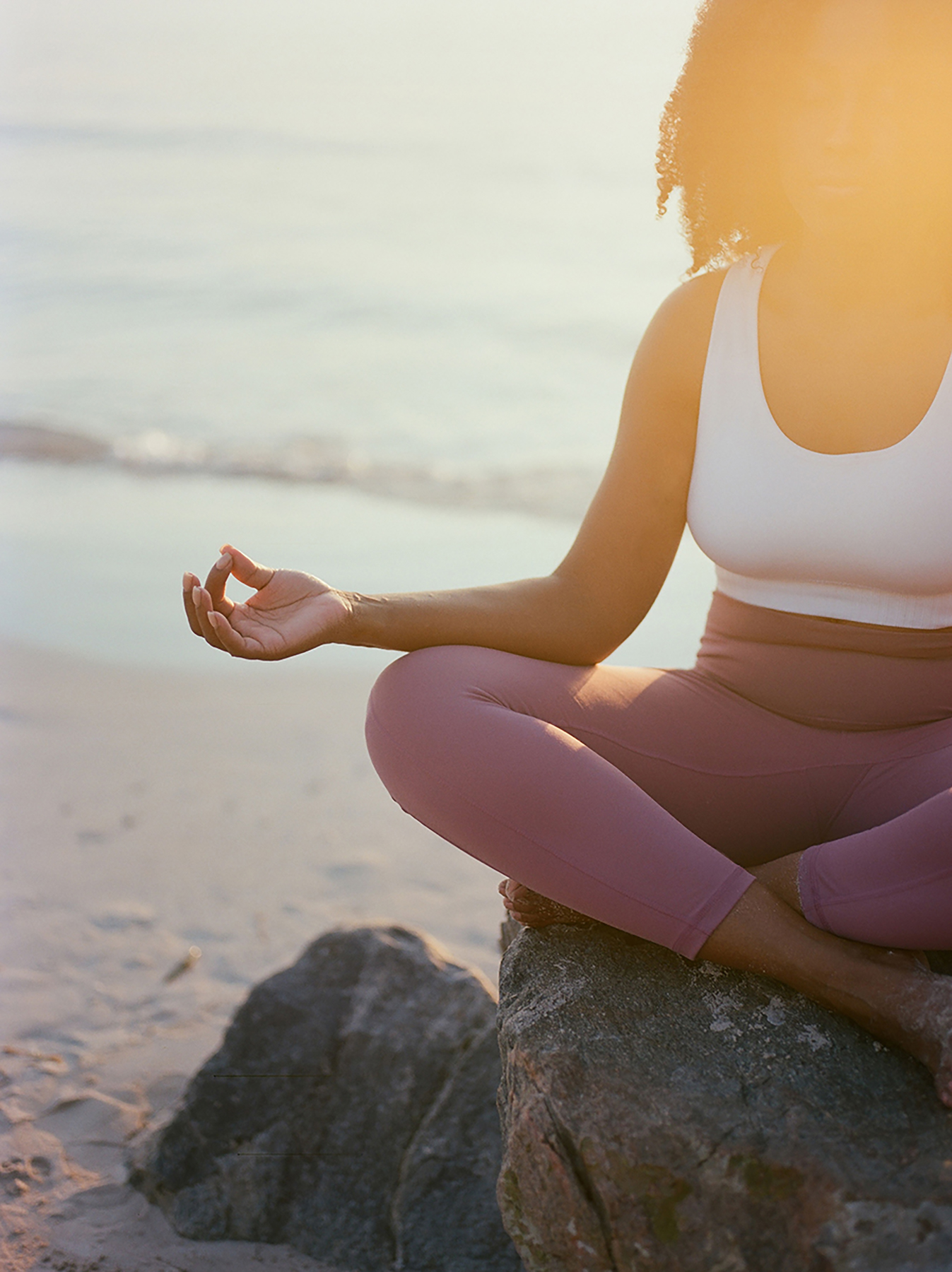
Have you done too many hard things?
When your whole personality is about doing hard things, you spend most of your time in survival mode. Survival mode is great if you’re actually trying to survive something. But, for living and enjoying your life…not so much.
Too many hard things under your belt without enough rest, play, fun, and joy and your nervous system starts to go on the defensive. It builds spectacular, high achieving, results oriented, armor and narrows your life down to something defensible.
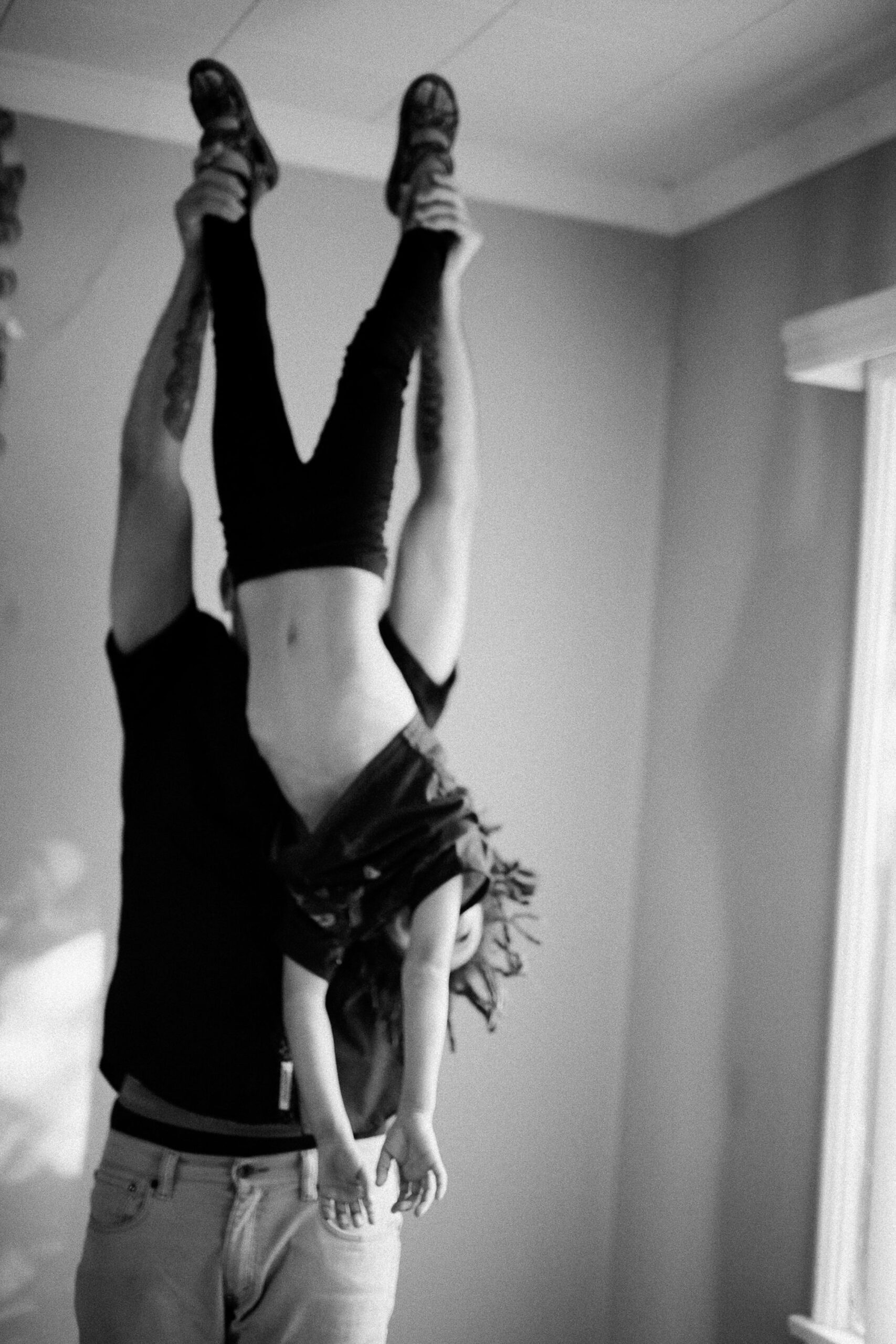
The conventional thought is that if you’re stressed, depleted, or carrying the weight of years spent performing at the edge of your capacity, the answer is to slow down. Meditate. Take a bath. Sit in silence. Breathe.
These are good tools and they can help. But, they are only part of the picture. Because the opposite of a nervous system locked in chronic stress is not calm.
It’s play.
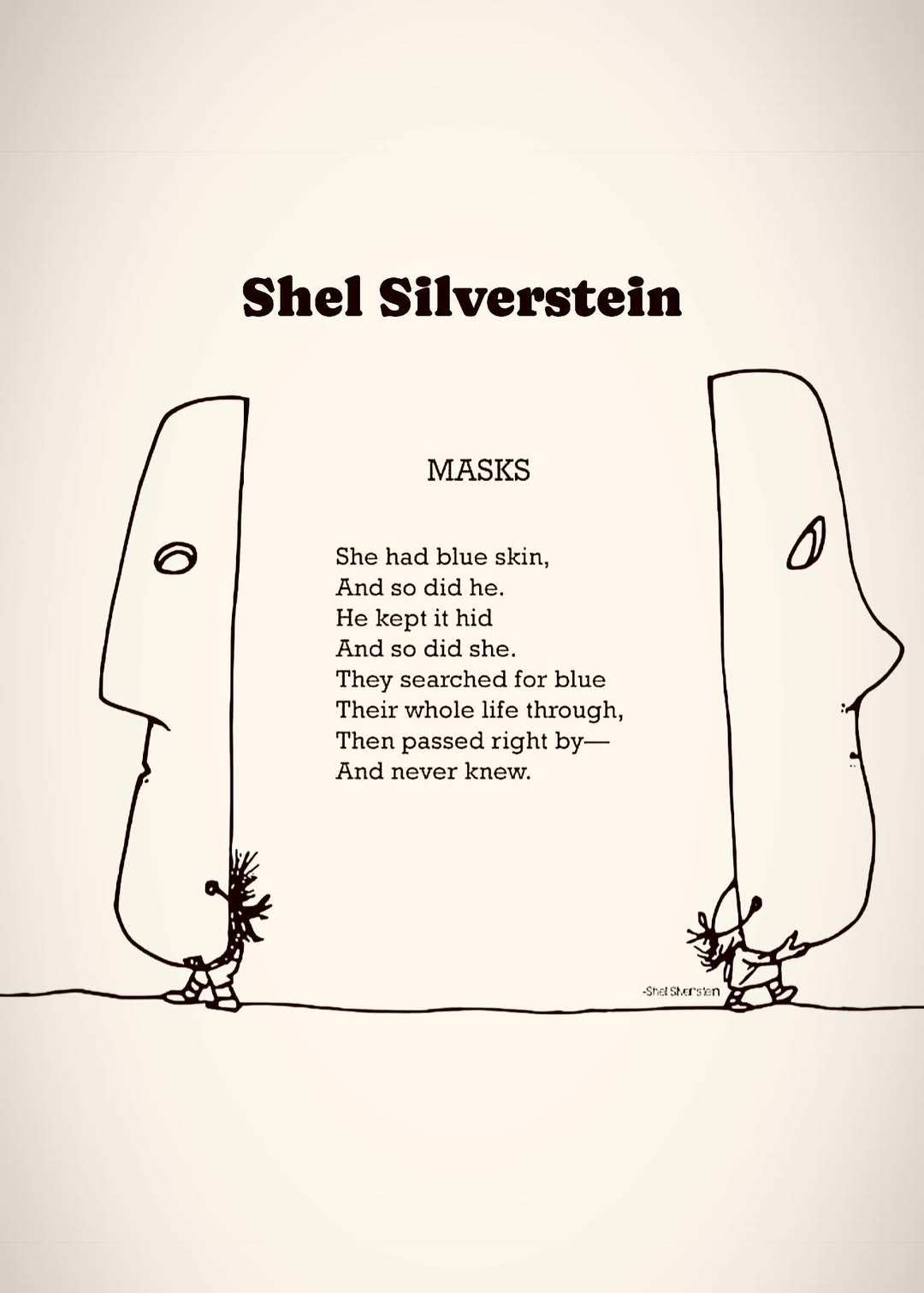
The very skills that saved us can become the prison that prevents us from enjoying our actual lives.
This week, we’re talking about the architecture of the cycle breaker – what creates them, what saves them, and what returns them to themselves.
Whether from the relentless expectations of work, the endless responsibilities at home, or the deep seated desire to bring the “best version” of ourselves to everything we do – burnout is a big problem.
In our fast-paced, hyperconnected world, it has become an increasingly pervasive issue. So pervasive, in fact, that we seem to have gone deaf to its cry. Normalizing it as “just the way things are”, or worse – actually admiring it – worn like a badge of honor we’re almost proud to achieve.
But, ignoring burnout has consequences.
Did you know that a gathering of monarch butterflies is called a kaleidoscope?
Sara shares how community and connection are transforming the lives of achievers and survivors through Monarch.
Thanks! Keep an eye on your inbox.
Subscribe to The Monarch Blog
Go Deeper with Monarch to get more access to the magic


