Sara Sweat, MA – Founder, Monarch
The conventional thought is that if you’re stressed, depleted, or carrying the weight of years spent performing at the edge of your capacity, the answer is to slow down. Meditate. Take a bath. Sit in silence. Breathe.
These are good tools and they can help. But, they are only part of the picture. Because the opposite of a nervous system locked in chronic stress is not calm.
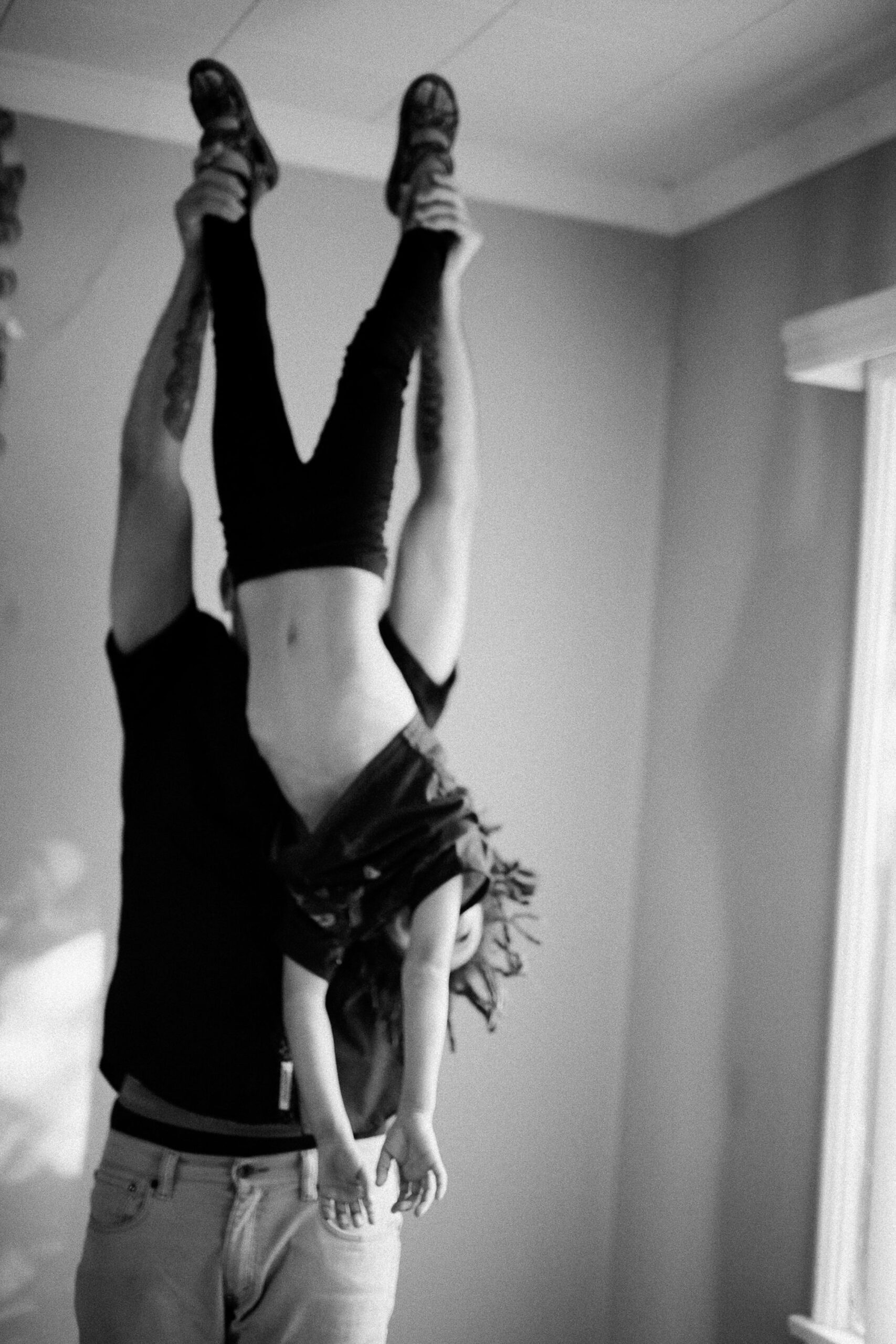
It’s play.
The Modern Life Hijack
The body responds to a missed deadline, a passive-aggressive Slack message, a school email at 9 PM, and a near-miss in traffic with the same biochemistry it uses to respond to actual danger.
The threat doesn’t have to be large, or even real. It just has to register as a threat.
Modern life is engineered to register constantly. Never ending notifications, back to back meetings, the low grade dread that feel’s like there’s always something important we’re forgetting.
We carry out the social performance of being a parent and a professional and a partner and a person who is somehow, also, fine.
Our nervous systems were built for brief periods of acute stress with long recovery windows. But, modern life has inverted that. We live in low-grade activation with no recovery at all.
While this may not produce trauma in the clinical sense, it has created something more insidious. A nervous system that has forgotten how to do anything but survive.
Why Calm Doesn’t Fix It
If your baseline is the sustained activation of a technologically advanced world, dropping into stillness might not feel restorative. It might feel like a threat. Like, your guard is down on a battlefield and at any moment, you could get hurt.
That’s why high achievers struggle with meditation. Why you keep getting sick on vacation instead of resting. That’s why you white-knuckle through yoga and check your phone in savasana.
The body interprets the sudden absence of stimulation as a system failure, not a reprieve. Stillness without safety is just another stress.
You cannot rest your way out of a system that has been conditioned to interpret rest as danger. At least, not at first. The path to get there begins with play.
What Play Actually Is
Play requires your nervous system to experience both safety and vitality at the same time.
You cannot play while you’re bracing. You cannot play while scanning for threat. You cannot play while preparing for the worst.
Play requires the body to believe, even briefly, that nothing bad is about to happen. And it requires enough energy to engage with the world rather than retreat from it.
This is why play is the opposite of the stress treadmill. Calm asks your system to power down. Play asks it to come fully online without a threat to respond to. This is a fundamentally different physiological event.
It’s also why play is so hard for adults who have spent years optimizing their entire world to suddenly embrace its magic and wonder.
Play is unproductive by definition. It has no deliverable. It cannot be measured. So, the version of you that built your career and runs your home and generally kicks ass at everything might resist this unfamiliar ground.
You might feel awkward and like you’re doing it wrong. Because to a high-functioning adult, the idea of play sounds easy, but it’s not.
The Real Difficulty
One of the first times I tried to play on purpose, I felt ridiculous.
My son wanted me to join him in playing with his Legos. Sounds simple, right? But, as I sat on the floor holding a tiny character from Ninjago, I felt wildly uncomfortable.
I had no idea how to play anymore. I mean, I assume I played with dolls as a child, but those memories are long gone.
So, as I sat there trying to remember what the green ninja’s voice sounds like, all I really wanted to do was organize the playroom. I couldn’t stop seeing the inefficiency around me.
Do we need more bins for his toys? Why aren’t those books on the bookshelf? Does he even play with that Paw Patrol stuff anymore? It took every ounce of self control in my body not to grab some trash bags and haul it all off to Goodwill.
As the inventory continued in my mind, I kept asking my kindergartner for clarification about my role in this exercise.
“So, am I angry that you have this cool new sword or am I jealous and want to steal it from you?”
“Why can’t my character just get killed now – because we both know you’re going to win the battle? So, why does losing have to take so long?”
I was operating this whole gig like a management consultant looking for places to trim the fat.
My son actually said, “don’t you know how to play?”. Clearly, I did not.
I was trying so hard to fight the chatter in my head about how painful this was and the instinct I had to get it all “right”, that I had no access to my creativity or playfulness at all.
I didn’t feel free or joyful. I felt like I wanted to crawl out of my skin.
I was experiencing some weird combination of bored, nervous, irritable, and tense. My body was reacting like I was in danger while simultaneously rolling its eyes.
But, in reality, I was living about as simple and safe a moment as life delivers. Just sitting on the floor playing with my child in the safety of my own home.
There were no rules. No guidelines. Nothing against which to measure my performance. And, without that compass, I was lost.
How to Practice
Now, I’m not going to pretend I’m great at playing with my son. It’s still feels unnatural to me sometimes. But, I have gotten much better at it. And, at incorporating play into my daily life.
After some exploration and practice, I’ve found a few things that reliably work to get me out of my head and into my fun.
Look for activities with no scoreboard. The instant something becomes measurable, your nervous system’s survival instinct takes the wheel. Try cooking something you’ve never made without following a recipe. Walk or drive somewhere with no destination in mind. Draw…badly. Sing in the car. Pick anything where your performance of it cannot be measured and watch your shoulders drop.
Borrow from children. If you have access to a child, follow their lead for thirty minutes. They will happily show you how. Don’t direct or teach or even suggest improvements to their process. Just do what they’re doing for awhile. Children are unembarrassed experts at the very thing you’re trying to remember.
Notice what makes you laugh out loud, especially when you’re alone. That TV show that always makes you giggle, even though it’s awful. The memory from high school that still makes you laugh until you cry when you retell the story. The funny thing your child or partner does that only you notice, but reliably makes you snicker. These are signals to your playfulness. Increase your exposure accordingly.
Practice the little things. Play doesn’t require a dedicated retreat or week long expedition. It requires three minutes of being unserious without apologizing for it. Set the table all wrong to see if anyone will notice. Add a sarcastic quote to the top of your meeting agenda. Put a bobblehead on your desk and tell everyone you like “Bears. Beets. Battlestar Galactica.” I don’t care. It doesn’t actually matter. Just add some whimsy and silliness into your overly polished and perfectly performed life and let it amuse you.
What Changes
The good news is that – even if you’ve forgotten how to play – it’s like riding a bike. It comes back quicker than you’d expect. Your weird is still in there. It’s just been on a really long work trip.
When play returns into your regular experience of life, your nervous system will reorganize around it.
Sleep gets deeper. Connection gets easier. Decisions get cleaner. You don’t lose your edge, you just stop getting nicked by it.
You stop defining your worth based on your productivity, your contribution, or even your talent. And, you remember that this life you worked so hard to build – is supposed to be fun.
That if all you did was break the cycle, crush the goals, or exceed everyone’s expectations – but didn’t actually enjoy it, then all that effort will have gone to waste.
You remember that not everything in life has to be earned. And, that sometimes, you’re allowed to just live. To just be alive and present and silly as all get out.
So, the next time you’re feeling overwhelmed and stressed, don’t reach for the yoga mat. Reach for the Legos. For the coloring book. For anything that feels like freedom and nonsense.
The only way to get it wrong is not to try.
Monarch is community and coaching for the people no one checks on.
If you’re tired of performing your life and ready to enjoy it – subscribe to stay with me. And, share this article with someone who makes you laugh.